

 Ask US

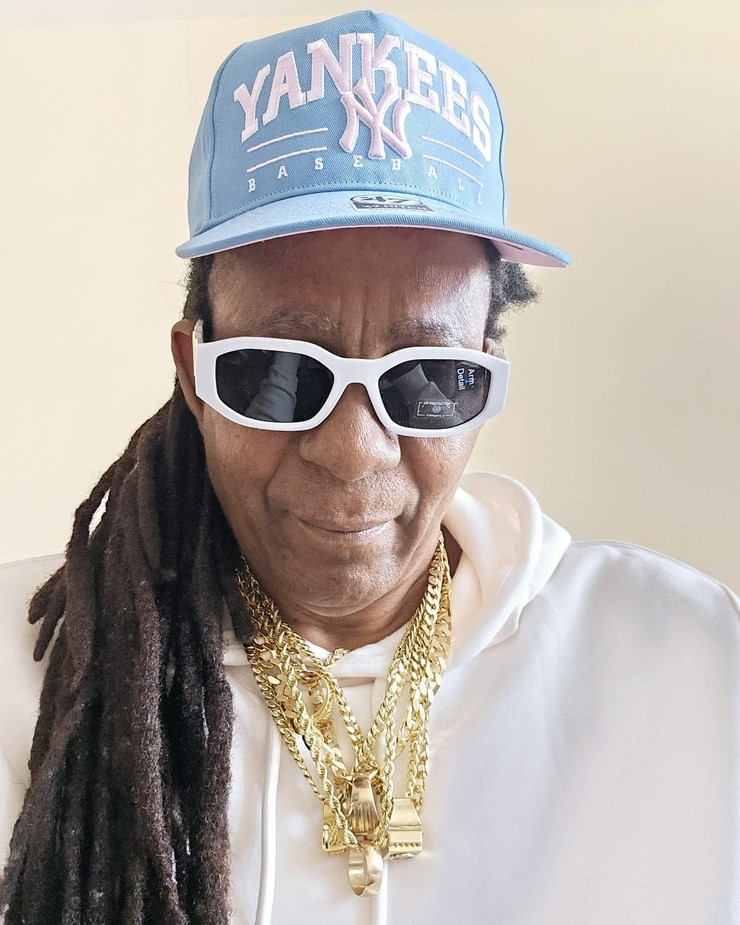



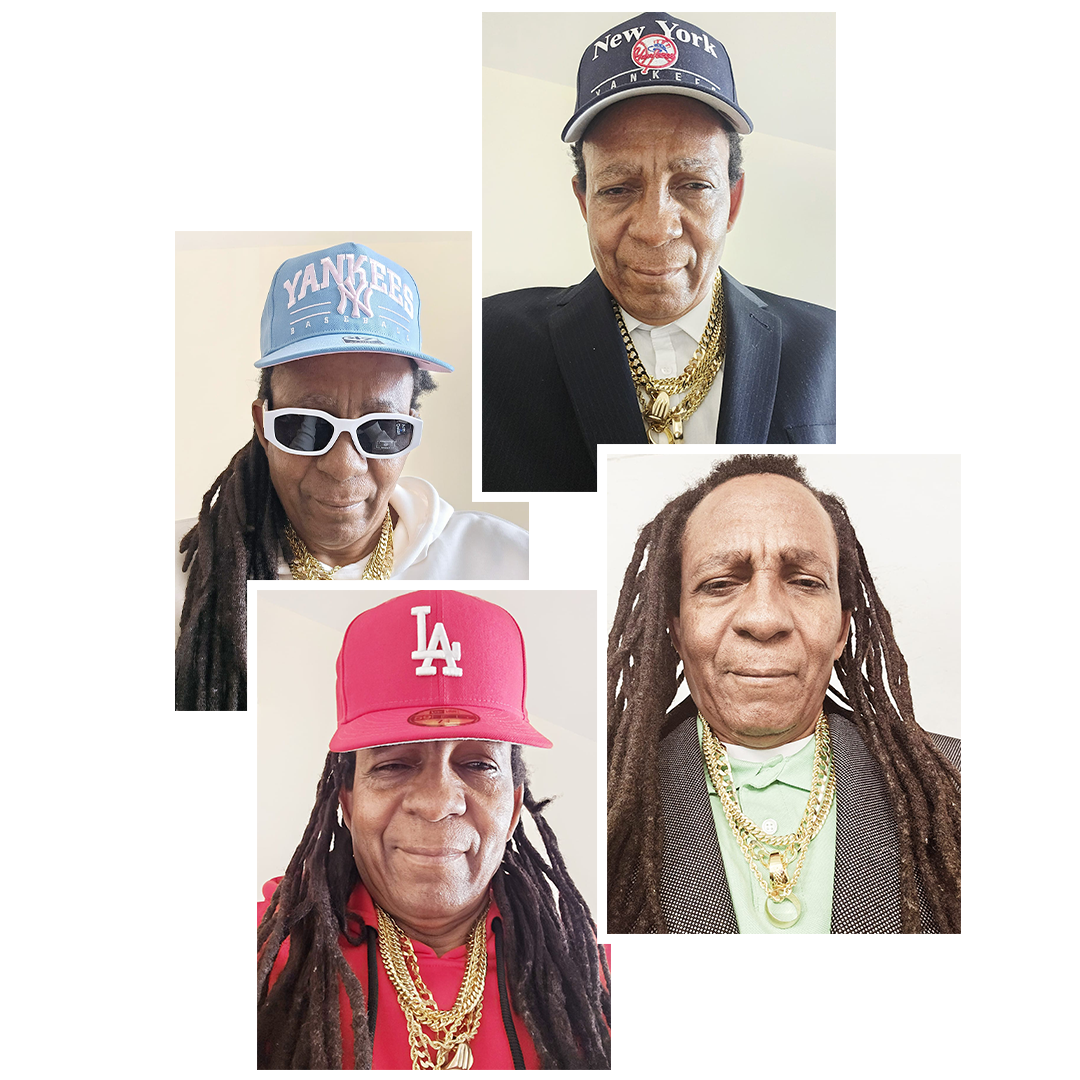
Born in the parish of St. Catherine, grew up in Charles Town in the parish of St. Mary, and attended Goshen All Age School.
He started his musical journey singing on a small sound system named Village Vibration in Peter's Field district, St. Mary. A small village bar would host music sessions every weekend, where he and his brother would regularly perform on Friday and Saturday nights. Their talent quickly gained attention through word of mouth, and soon other sound system owners began inviting them to perform at their events.
As they gained popularity, more opportunities came their way. In 1985, Major Powell recorded his first song at Channel One Recording Studio in Kingston. By 1987, he was touring and performing in numerous stage shows. Recognizing his talent, his fellow artists encouraged him to move to Kingston to pursue his career further.
They frequently visited King Jammy's Recording Studio, where many upcoming artists gathered daily, hoping to make their mark. Every Tuesday, King Jammy hosted auditions led by Louise and Bravo. Powell passed his audition on the first try and was granted access to record at the studio whenever it was available. However, due to the high number of aspiring artists, he didn't stay around often.
Despite the competition, Powell remained focused. He once owned a craft shop in Jamaica selling souvenirs such as keyrings, t-shirts, handcrafted birds, walking canes, and more.
He traveled across all fourteen parishes of Jamaica performing reggae music. In 1996, he worked in Grand Cayman Island and in 1997 launched his own record label, Tennolitican Records. By 1998, he was producing albums for various artists. In 2000, Major Powell moved to the UK, where he remained active—singing at venues, including the Leicester Carnival, and continuing to produce for himself and other artists.
Major Powell became well-known internationally for his musical talent, yet remained humble. He is regarded as one of the most respected artists in the music industry. Outside of music, he enjoyed spending time in his community—playing football and cricket, dancing, and helping those in need. Many younger artists sought his advice and received both encouragement and mentorship.
After over two decades in the music industry, Major Powell committed to supporting up-and-coming talent, offering guidance and opportunities.
He reflects with gratitude on his journey—from starting with no help, learning by observing, and sharpening his craft—to becoming one of the finest composers of his time.
